
|
Key Takeaways Kim Tschang-Yeul’s longtime home in Pyeongchang-dong, where the artist lived for 30 years, has now opened to the public through a special inaugural exhibition. The real highlight is the preserved B2 studio, left almost exactly as it was during his lifetime, where you can feel his creative process up close. If you want to experience the world of a master who spent five decades exploring emptiness and spiritual discipline through water drops, this is a deeply moving place to visit in the quiet hills of Pyeongchang-dong, Seoul, South Korea. |

Table of Contents
-
Why should you visit Kim Tschang-Yeul House in Pyeongchang-dong?
-
Why did the master spend his entire life painting only water drops?
-
Tips to make your exhibition visit even more rewarding
-
Frequently Asked Questions (FAQ)
Why should you visit Kim Tschang-Yeul House in Pyeongchang-dong?
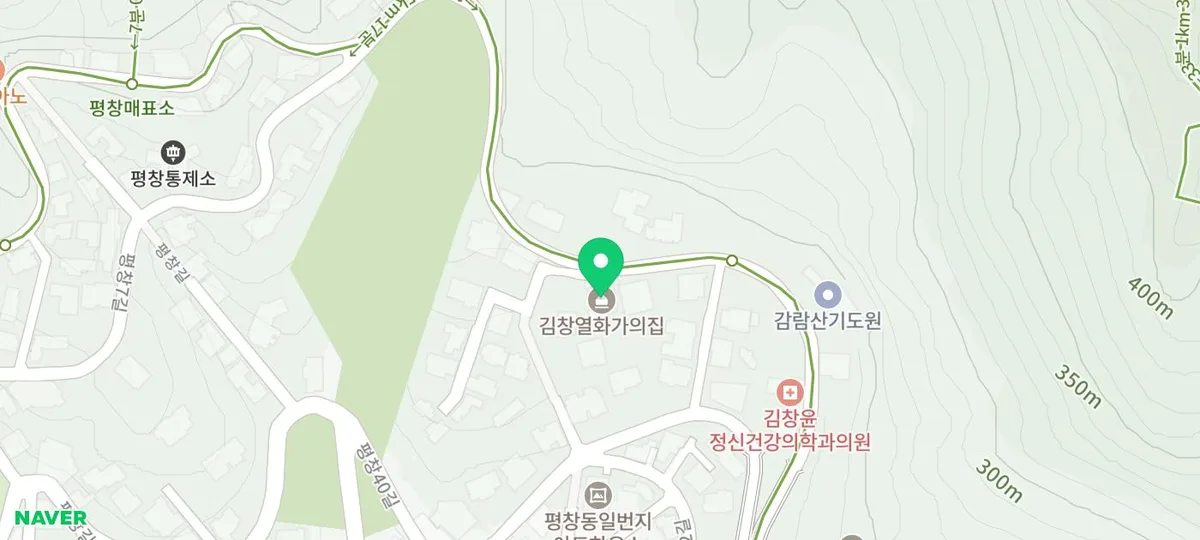
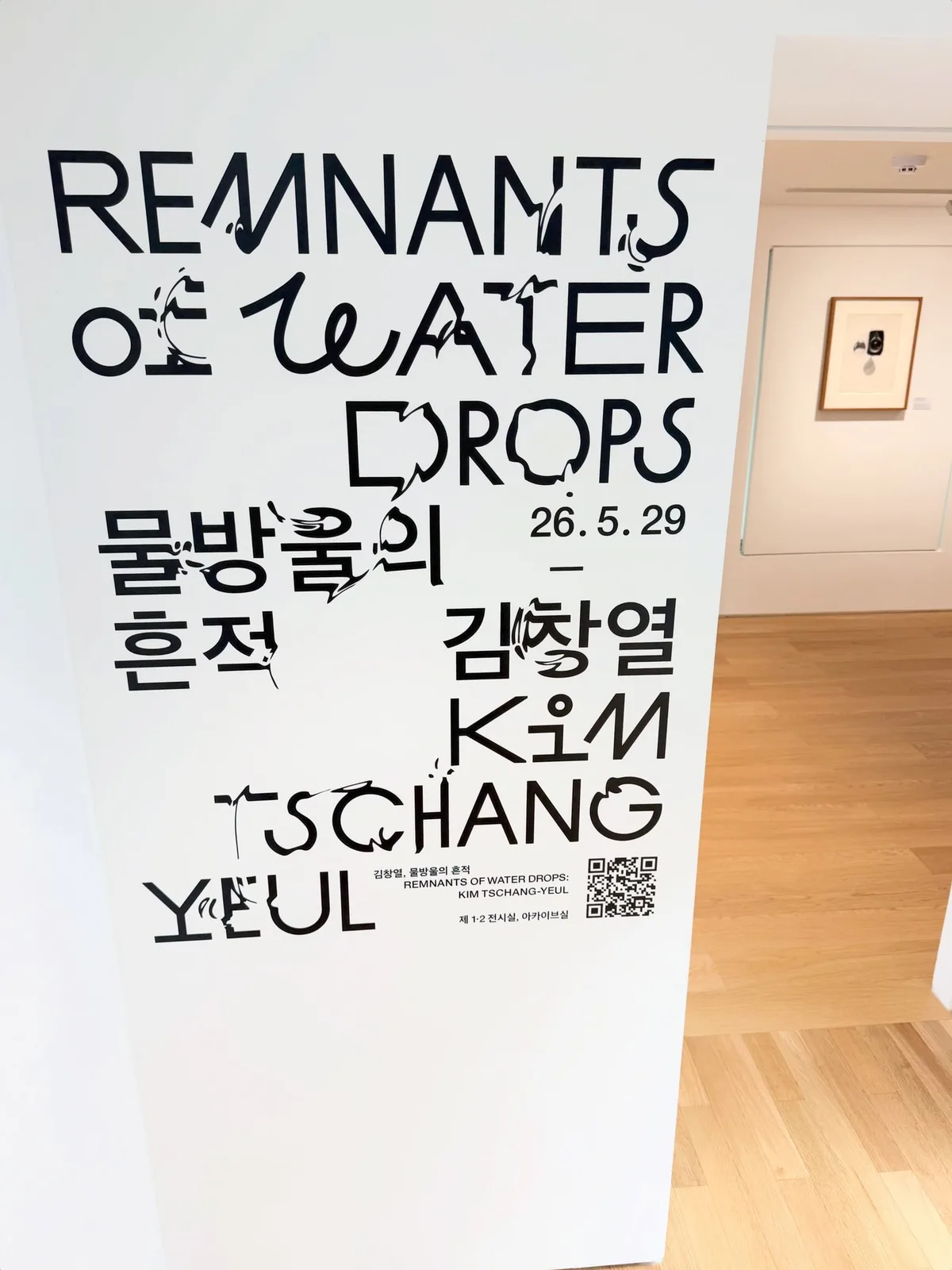
Kim Tschang-Yeul House is one of the most meaningful new art destinations in Pyeongchang-dong, Seoul, South Korea. The longtime home of Kim Tschang-Yeul, the legendary “water drop painter” of Korean contemporary art, has reopened as a cultural space after more than 30 years of serving as the place where he lived and worked. As of 2026, it has become more than just an exhibition venue—it’s a rare, intimate place where the artist’s life, philosophy, and creative energy still feel vividly present.
The house was originally designed by architect Woo Kyu-seung and has recently been remodeled by the same architectural team behind the Kim Tschang-Yeul Museum in Jeju. That transformation—from a private residence into a public art space—gives visitors the chance to share the scenery, atmosphere, and daily rhythms the artist himself once lived with.
|
Pro Tip: If you want to fully appreciate the stillness that defines Pyeongchang-dong, visit on a weekday morning. The neighborhood is especially quiet then, and it’s much easier to sink into the same sense of focus and calm the artist may have felt here. |
The preserved B2 studio where the artist’s presence still lingers
The basement level 2 studio, tucked into the deepest part of the building, is the emotional center of this public opening. The space has been preserved to reflect the artist’s working environment during his lifetime, and it creates the uncanny feeling that he has only just stepped away from the canvas for a moment after painting another water drop.
Inside the studio, the brushes, paints, and small objects that once fed his imagination remain in place. The way light and shadow move through the room feels strikingly connected to his lifelong pursuit of transparency, luminosity, and the delicate illusion of water drops.
-
Preserved sense of place: The exhibition design has been kept intentionally minimal, with the furniture and tools arranged much as they were actually used, which makes the space feel more authentic and emotionally immediate.
-
Spatial character: Shielded from outside noise, this underground studio reflects the solitude of the artist’s practice—the long, meditative hours he spent returning again and again to the image of the water drop.
-
Artistic connection: Traces left on the studio walls hint at the intense process behind each finished canvas, allowing visitors to imagine the discipline it took before a single water drop appeared complete.
In this remarkable underground room, visitors can follow the artist’s gaze and feel, almost physically, how a chance encounter with water drops in a Paris studio in the 1970s became the work of his lifetime.
Why did the master spend his entire life painting only water drops?
A transparent aesthetic shaped by emptiness and the fragility of existence
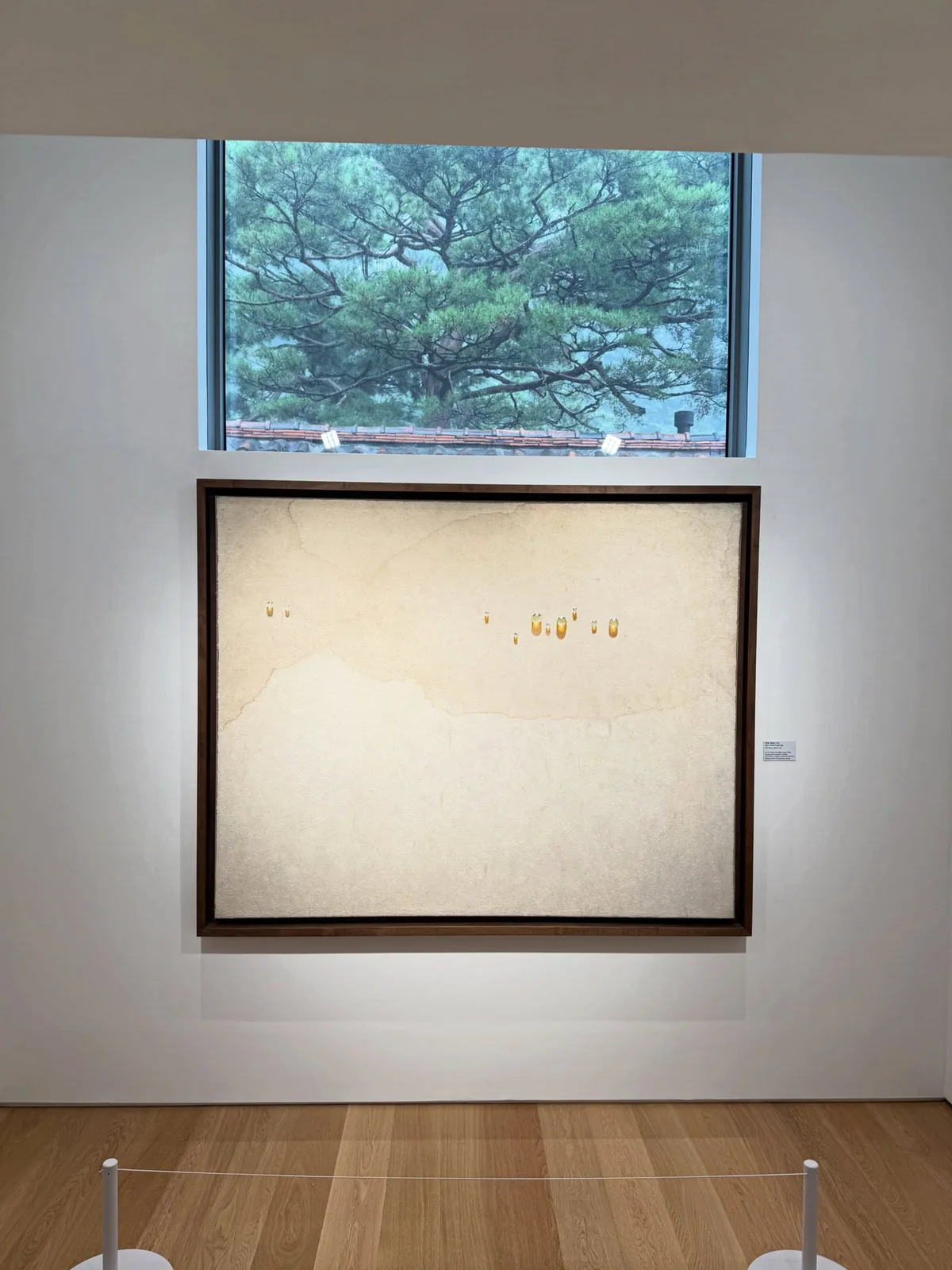
In 1972, in a stable-turned-studio in Paris, a seemingly small moment changed the course of Kim Tschang-Yeul’s art forever. Dissatisfied with an oil painting he had made the night before, he splashed water onto the canvas so he could reuse it. The next morning, sunlight hit those droplets, and they shimmered with an almost unreal brilliance.
In that fleeting instant, he felt an overwhelming fullness of being—something beyond words—and it became the beginning of the water drop series that would continue for more than 50 years. For him, the water drop was never just a realistic image from nature. It was the result of a spiritual discipline, a way of washing away anguish and returning to a state of emptiness.
|
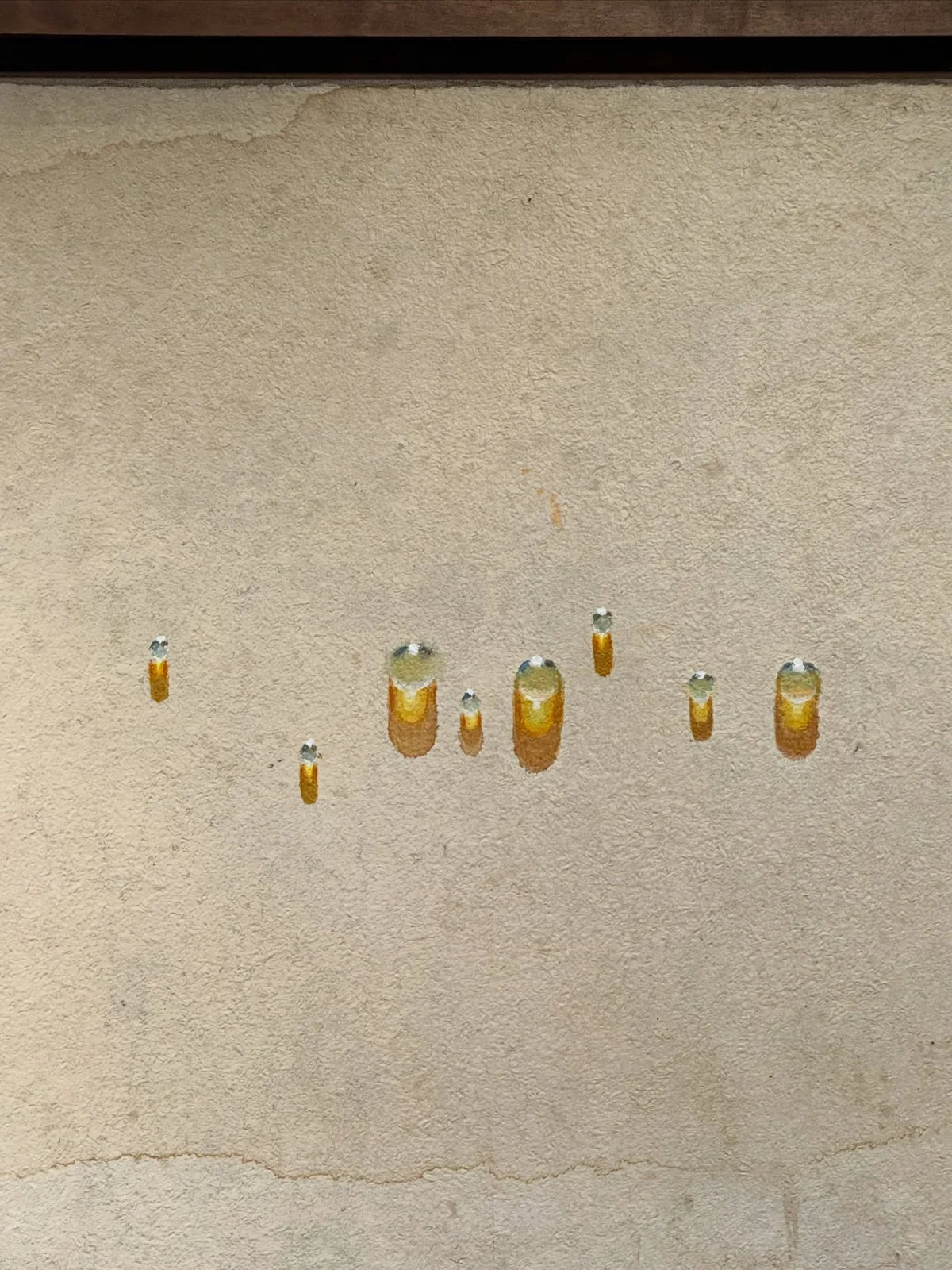
Pro Tip: When you look at the paintings, pay close attention to the shadows beneath each water drop. That tension between convincing three-dimensional realism and the sense that the image could vanish at any second is where the essence of his aesthetic really lives. |
The reason he remained so devoted to water drops throughout his life lies in their philosophical depth. Painted with extreme realism on the physical surface of a canvas, each water drop paradoxically points to emptiness, drawing the viewer into a meditative state.
-
Recovery of purity: This reflects his desire to dissolve technique, ego, and artifice in order to reach the clearest and most transparent state possible.
-
The fragility of existence: A water drop appears for a moment and then evaporates, quietly suggesting the finiteness of life and the value of each passing instant.
-
Harmony between East and West: He brought together Western abstract methods and Eastern Taoist and Buddhist thought on a single pictorial surface with extraordinary balance.
His practice was ultimately a process of emptying himself through repetition. After tens of thousands of brushstrokes, the water drop arrived at a state of “śūnyatā,” or emptiness, where nothing remains. That philosophical rigor is one of the key reasons he stands apart as a singular master in modern art.
Tips to make your exhibition visit even more rewarding
Pyeongchang-dong itself feels like an extension of the exhibition. Walking through the same quiet neighborhood where Kim Tschang-Yeul House took shape over more than 30 years adds another layer to the experience, especially when you realize this is where he refined the essence of his water drop art.
If you want the exhibition to stay with you a little longer, don’t miss the local stops that make a visit here feel complete. Pairing Kim Tschang-Yeul House with a neighborhood café or a comforting local meal is one of the best ways to turn the day into a fuller Pyeongchang-dong art outing.
-
Café discount with your exhibition ticket: After your visit, bring your ticket and stop by the nearby café The Piano.Show your ticket and you’ll get 20% off coffee, making it a perfect place to sit back, take in the open views of Pyeongchang-dong, and reflect on the exhibition.
-
A local meal with neighborhood character: Near the exhibition space, Tosok Kalguksu is a longtime local favorite among residents and artists alike. Its clean, deeply savory broth and comforting handmade noodle soup feel especially satisfying after a contemplative museum visit.
-
Notice the architectural details: The same architectural team that designed the Kim Tschang-Yeul Museum in Jeju also handled the remodeling of this house. Looking for the visual and spatial links between the two adds another layer of interest to the visit.
|
Pro Tip: Pyeongchang-dong has several steep uphill stretches, so comfortable shoes are a must. If you’re using public transportation, the local village bus is the easiest way to avoid a tiring climb. |
The philosophical ideas behind the water drop—emptiness and the fleeting nature of existence—feel even more vivid when you walk slowly through the quiet lanes of Pyeongchang-dong. Even an unhurried neighborhood stroll can help you understand why the artist loved this area so deeply.
Frequently Asked Questions (FAQ)
Are there any perks or discounts to use nearby after visiting the exhibition?
Yes. After finishing the exhibition, don’t miss the partner discount that lets you enjoy more of Pyeongchang-dong. If you bring your same-day exhibition ticket to the nearby café The Piano, you can receive 20% off coffee drinks.
It’s an ideal post-visit stop if you want to hold onto the mood of the exhibition while relaxing with beautiful natural views of Pyeongchang-dong. Both paper tickets and digital booking confirmations can be used for verification, but it’s a good idea to double-check before you go.
|
Pro Tip: Because some of Pyeongchang-dong’s hillside roads are quite steep, it’s usually more efficient to take a car or public transportation to the café rather than walking. |
What is the relationship between the Jeju Kim Tschang-Yeul Museum and the Pyeongchang-dong artist’s house?
The two spaces share an important connection: both were designed through the architectural language of Platform Architecture to express Kim Tschang-Yeul’s artistic world. If the Jeju museum is a grand public building honoring the artist’s legacy, the Pyeongchang-dong house is a deeply personal creative space, opened to the public after holding more than 30 years of his life.
Because the same architectural office led the remodeling, the two places share the artist’s emotional tone and aesthetic logic with remarkable consistency, even though they are in different regions. As you visit, these are the links worth paying attention to.
-
Architectural consistency: The artist’s philosophy of emptiness and subtraction is reflected in the materials and structure of both spaces.
-
Spatial continuity: The openness of Jeju and the intimacy of Pyeongchang-dong work together to complete a fuller narrative of one artist’s life.
-
Meticulous historical reconstruction: In the case of the B2 studio, the space has been recreated so faithfully that it feels as if the artist could walk back in at any moment.
Experiencing both spaces together gives you a much more layered understanding of the human being behind the water drops—his struggle, his calm, and the emotional depth beneath the surface. In the quiet atmosphere of Pyeongchang-dong, I highly recommend taking your time with the final traces this master left behind.
References
FAQ
What time is best for visiting Kim Tschang-Yeul House in Pyeongchang-dong?
A weekday morning is the best time to visit if you want to fully experience the quiet, contemplative mood that defines Pyeongchang-dong. With fewer visitors around, the immersive atmosphere of the basement studio feels even more powerful.
Why did Kim Tschang-Yeul spend his life painting only water drops?
For the artist, the water drop was far more than a visual motif. It was the result of a spiritual practice—a way to wash away inner suffering and return to emptiness. Through this fleeting form, he expressed both the finiteness of life and the Eastern philosophical idea of the void.
Which space is the must-see highlight of this opening exhibition?
The B2 studio is the one space you absolutely shouldn’t miss. With the artist’s brushes, paints, and personal objects recreated as they were, it is the most symbolic place in the house and the one that brings his creative presence most vividly to life.